Six kids, an old truck, and five bids.
Ed Keenan built PestGon over forty-five years without ever taking on debt. When it came time to sell, five qualified buyers competed for it, and the bids were 50 percent apart.
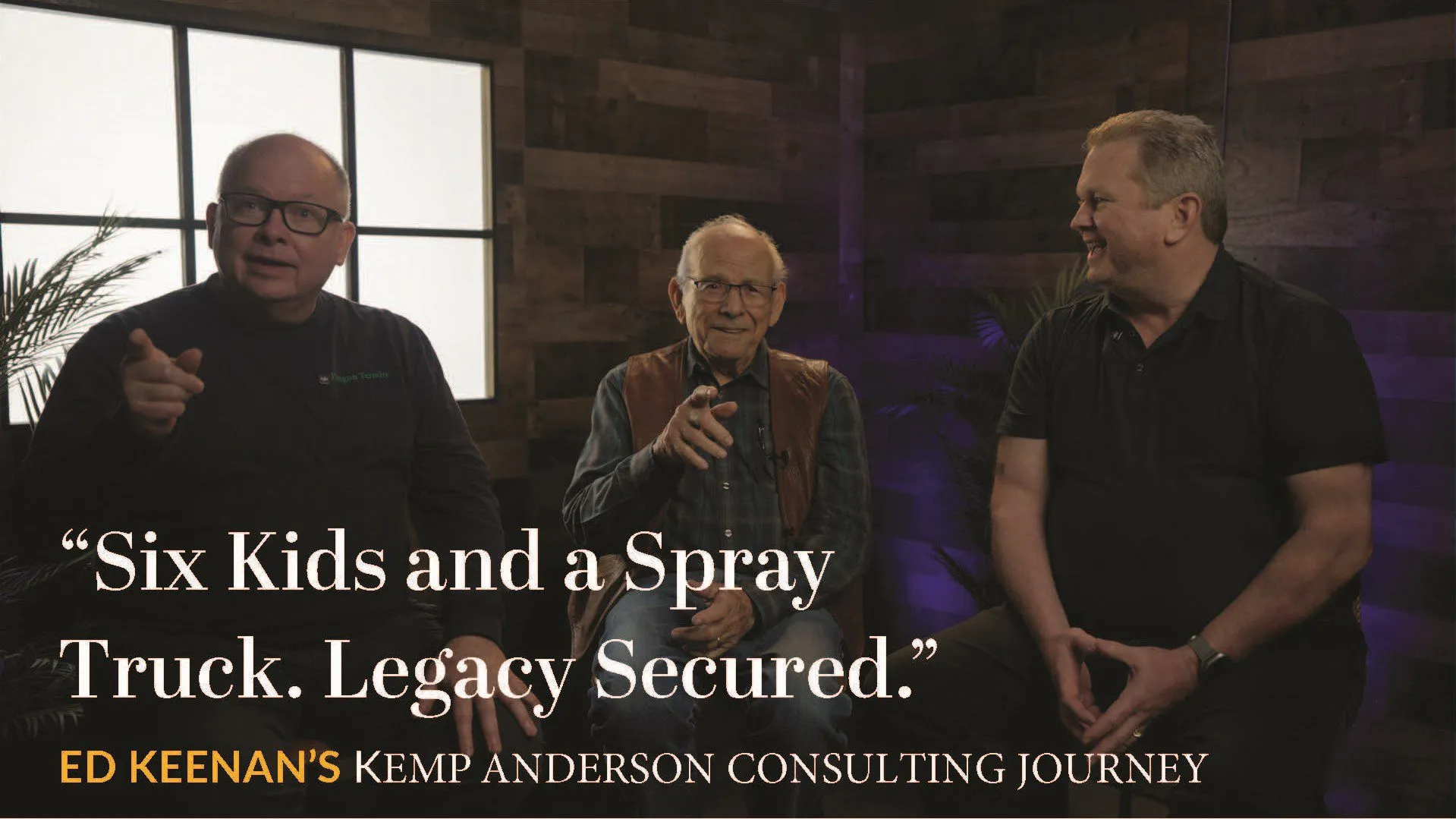
Some companies begin with a business plan. PestGon began with a promise.
In 1980, Ed Keenan was a father of six, buried in bills. "Six kids, no income, up to our nose in debt every month," he recalls, "and she’s saying to me, you can change jobs if you’d like, and I’ll do what I can to support you." With his wife’s blessing, he bought a pest control business from a retiring operator, along with, in Ed’s words, "this junky old truck."
That first year, Ed sold $60,000 of route work. He paid himself a salary from the beginning, and set the rule that would define the company for the next four and a half decades: "I displayed to the employees and to management around me that we’re going to run this business without debt."
A business built on loyalty, and no debt.
PestGon grew the way the best independent pest control companies grow: customer by customer, debt-free, in Oceanside, California. Ed’s goal was never just pest control. It was addressing the customer’s concern and earning loyalty that lasted decades.
"Dave and I have been in this for 30 years," one of the owners says in the video, "and we’ve put our heart and our blood into it." Which is exactly what made the idea of selling so hard. "For a company to step in and say, hey, I can buy you guys, it’s hard to necessarily absorb so quickly."
When buyers come calling.
For a founder, an acquisition offer is not a spreadsheet event. It lands on everything you built: every early morning, every year the business fed your family. And that moment of shock is precisely when most owners make their most expensive mistakes: negotiating alone, anchoring on the first offer, and letting emotion set the price.
PestGon did not do that. They brought in representation and ran a real process.
Five buyers. A 50 percent spread.
Working with Kemp Anderson Consulting, PestGon went to market properly: prepared, positioned, and presented to multiple qualified buyers rather than one. In the owners’ own words: "Without getting into numbers, we had five potential buyers, and the difference was literally 50% difference in the bids."
Sit with that figure for a moment. The same company, the same trucks, the same customer list, and offers half again as large as others, purely as a function of who was bidding and how the process created competition among them. No amount of solo negotiation with a single buyer uncovers that spread, because the spread only exists when buyers know they have competition.
In March 2025, the sale of PestGon, Inc. to Rentokil Terminix was announced: a global leader acquiring a 45-year-old family company, with the founder’s legacy and his team’s future secured.
Ed’s advice to other owners.
"Anyone out there that’s thinking about selling their company, don’t try to do it on your own. You need professional advice. There’s a lot of things you don’t think about: a lot of things you guys have handled."
"We loved having the team at Kemp Anderson Consulting represent us. Without them, we wouldn’t have done it. We’d never sold a business before and didn’t know what the future held. I’m grateful, and looking forward to the next chapter."
The company did not change between offers. The process did.
Preparation comes first
PestGon went to market prepared and positioned, not reactive. That is what made five buyers willing to engage at once.
Competition sets the price
A single buyer has no reason to stretch. Five buyers on one timeline produced a 50 percent spread on identical assets.
Representation is not optional
Neither owner had sold a company before. The buyer had bought many. An advisor closes that gap.